


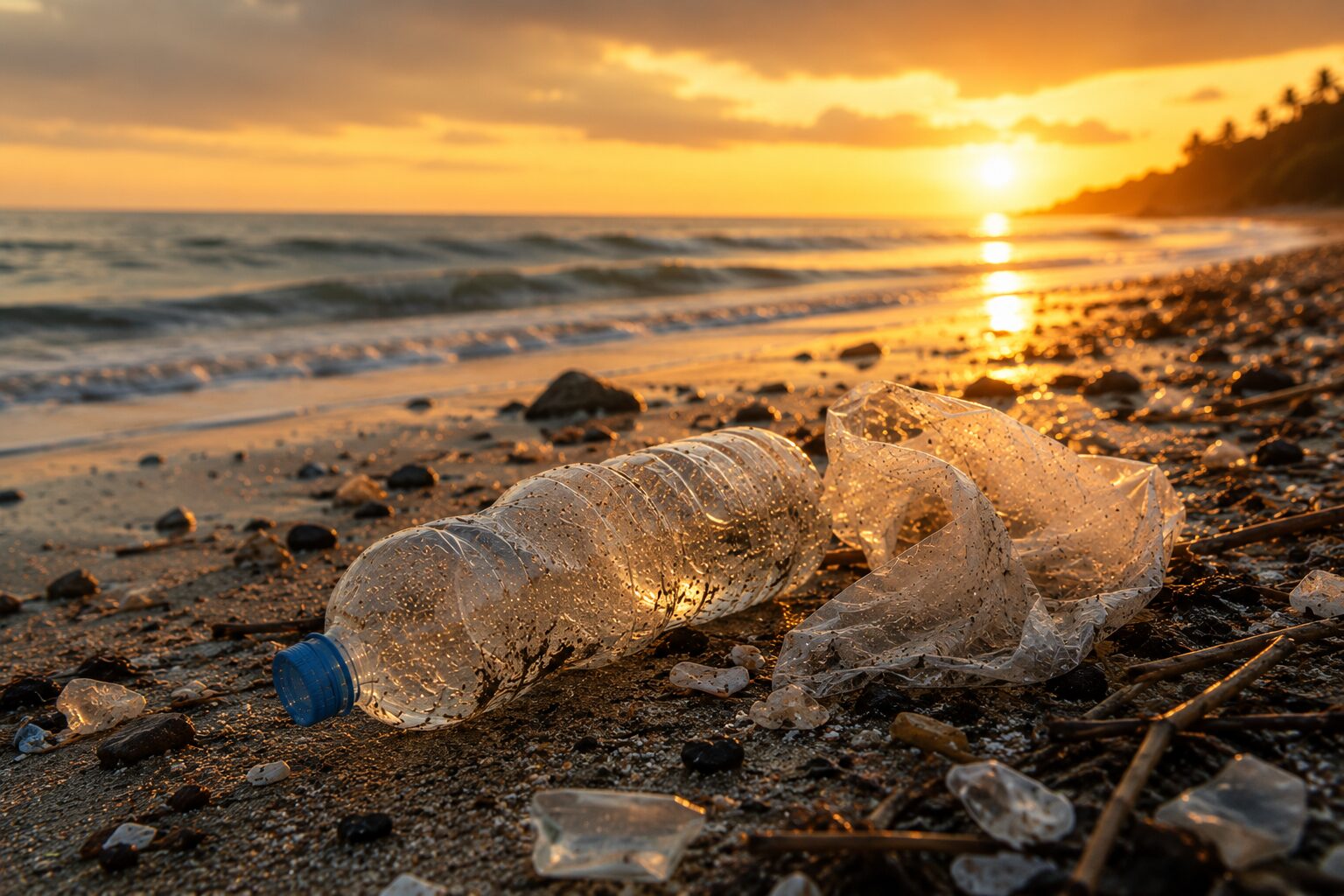
 A plastic bag used for just a few minutes can remain in the environment for hundreds of years.
Every year, millions of tonnes of plastic waste are generated across the globe. While discarded bottles floating in oceans or littered streets often capture public attention, these visible signs represent only a fraction of the problem. The true environmental cost of plastic waste begins long before a product reaches consumers and continues long after it has been thrown away.
From the extraction of fossil fuels used to manufacture conventional plastics to the greenhouse gas emissions released during production, transportation, and disposal, plastic has a far-reaching environmental footprint. Even after disposal, plastic breaks down into tiny particles known as microplastics, contaminating our soil, waterways, and ecosystems.
As governments, businesses, and consumers seek more sustainable solutions, understanding the full impact of plastic waste is essential. This awareness has also accelerated the adoption of certified compostable packaging, which offers an alternative designed to work with nature rather than against it.
In this article, we’ll uncover the hidden environmental costs of plastic waste, explore why recycling alone isn’t enough, and discuss how compostable packaging can contribute to a more sustainable future.
Understanding the Full Life Cycle of Plastic
Many people think of plastic waste only after it has been discarded. In reality, the environmental impact begins at the very first stage production.
Conventional plastics are primarily manufactured using fossil fuels such as crude oil and natural gas. Extracting these resources requires significant amounts of energy while contributing to habitat destruction, air pollution, and greenhouse gas emissions.
The manufacturing process itself is also energy-intensive. Every plastic bag, food wrapper, bottle, or packaging film requires raw materials, electricity, water, and transportation before it reaches consumers.
This means that even before a plastic product is used, it has already generated a measurable carbon footprint.
Once discarded, the environmental challenges only multiply.
Plastic Pollution Beyond What We Can See
 Images of plastic-filled oceans often dominate conversations about pollution, but the environmental consequences extend much further.
Plastic waste accumulates in:
-
- Rivers
-
- Agricultural land
-
- Forests
-
- Urban drainage systems
-
- Beaches
-
- Marine ecosystems
Improperly managed plastic waste blocks waterways, increases flooding risks, damages natural habitats, and threatens biodiversity.
Unlike organic materials, conventional plastics do not naturally return to the environment. Instead, they fragment into increasingly smaller pieces that persist for decades or centuries.
The visible pollution is only the beginning.
The Growing Problem of Microplastics
One of the most concerning consequences of plastic waste is the formation of microplastics.
Microplastics are tiny plastic particles generally smaller than 5 millimetres that result from the gradual breakdown of larger plastic products or are intentionally manufactured for certain applications.
These particles have now been detected in:
-
- Oceans
-
- Rivers
-
- Drinking water
-
- Agricultural soils
-
- Arctic ice
-
- Rainwater
-
- Seafood
-
- Table salt
Because of their microscopic size, removing them from the environment is extremely difficult.
Scientists continue to study their long-term environmental and health impacts, but there is broad agreement that reducing plastic pollution at its source is one of the most effective strategies for limiting future contamination.
Wildlife Pays the Price
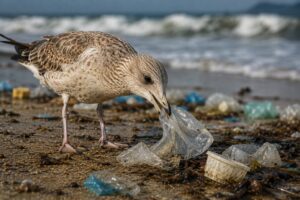 Plastic pollution affects wildlife on every continent.
Marine animals frequently mistake floating plastic for food. Birds become entangled in discarded packaging. Land animals consume plastic waste from overflowing landfills and open dumping sites.
The consequences include:
-
- Injury
-
- Starvation
-
- Reduced reproduction
-
- Habitat degradation
-
- Population decline
Even ecosystems that appear untouched are increasingly being affected by plastic contamination carried through wind, rivers, and ocean currents.
Protecting biodiversity therefore requires addressing plastic waste before it enters the environment.
Plastic Waste and Climate Change
Plastic pollution is not only a waste management issue—it is also a climate issue.
Every stage of the plastic life cycle contributes to greenhouse gas emissions.
These stages include:
-
- Fossil fuel extraction
-
- Refining raw materials
-
- Plastic manufacturing
-
- Transportation
-
- Waste collection
-
- Incineration
-
- Landfilling
As global demand for plastic continues to rise, so does the associated carbon footprint.
Reducing unnecessary plastic consumption and transitioning to more sustainable materials can play an important role in supporting broader climate goals.
Why Recycling Alone Cannot Solve the Problem
Recycling is an important part of responsible waste management, but it has limitations.
Many plastic products are difficult to recycle because they:
-
- Contain multiple material layers
-
- Are contaminated with food waste
-
- Lack suitable collection infrastructure
-
- Have limited recycling markets
In addition, plastic cannot typically be recycled indefinitely. Material quality often degrades after each recycling cycle, meaning much of it eventually becomes waste.
This is why waste experts increasingly promote a hierarchy that prioritizes:
-
- Reducing unnecessary plastic use.
-
- Reusing products whenever possible.
-
- Recycling suitable materials.
-
- Introducing alternative materials where appropriate.
A comprehensive approach is essential for meaningful environmental progress.
The Economic Cost of Plastic Pollution
Plastic waste also creates significant financial burdens.
Governments spend billions each year on:
-
- Street cleaning
-
- Beach restoration
-
- Drainage maintenance
-
- Landfill management
-
- Waste collection
Businesses also face increasing costs associated with waste disposal, sustainability reporting, regulatory compliance, and changing consumer expectations.
Tourism, fisheries, and agriculture can all suffer when plastic pollution damages natural environments.
The true cost of plastic therefore extends well beyond the purchase price of a product.
The Shift Toward Sustainable Alternatives
As awareness grows, consumers and businesses are actively seeking packaging solutions with lower environmental impacts.
One promising approach is certified compostable packaging.
Unlike conventional plastics, certified compostable materials are designed to break down under specific composting conditions into water, carbon dioxide, biomass, and nutrient-rich compost without leaving persistent plastic residues.
It is important to note that compostable products require appropriate composting systems and should not be viewed as a licence to litter. Instead, they form part of a broader circular waste management strategy that prioritizes responsible disposal alongside waste reduction.
How Certified Compostable Packaging Supports Sustainability
Certified compostable packaging can contribute to sustainability in several ways:
Reduces Dependence on Conventional Plastics
Many compostable materials are developed to reduce reliance on traditional fossil-fuel-based plastics for suitable applications.
Supports Organic Waste Collection
When paired with food waste collection systems, compostable liners and packaging can help divert organic waste toward composting instead of landfill.
Contributes to the Circular Economy
Rather than remaining in the environment for centuries, certified compostable materials are designed to return to nature through managed composting systems.
Encourages Sustainable Innovation
Growing demand for environmentally responsible packaging continues to drive innovation in renewable materials, waste management infrastructure, and circular economy solutions.
The Role of Businesses in Reducing Plastic Waste
Businesses play a critical role in shaping the future of sustainable packaging.
By evaluating packaging choices, reducing unnecessary materials, improving waste management practices, and adopting certified compostable solutions where appropriate, organisations can significantly reduce their environmental footprint.
Sustainability initiatives also increasingly influence purchasing decisions, investor confidence, and brand reputation.
Companies that embrace responsible packaging today are better positioned for the evolving expectations of tomorrow.
Bio-Plastobag’s Commitment to Sustainable Packaging
 At Bio-Plastobag, sustainability is more than a product offering it is a long-term commitment to creating packaging solutions that align with responsible environmental practices.
The company offers a wide range of certified compostable products, including grocery bags, carry bags, garbage bags, cling wrap, laundry bags, pet waste bags, and agricultural films designed to help businesses transition toward more sustainable packaging alternatives.
By combining certified materials, quality manufacturing, and continuous innovation, Bio-Plastobag supports organisations seeking practical solutions for reducing their dependence on conventional plastics while meeting performance expectations.
Frequently Asked Questions
Is compostable packaging better than plastic?
For many suitable applications, certified compostable packaging can provide environmental benefits when used correctly and processed in appropriate composting facilities as part of an integrated waste management system.
Can compostable products replace all plastics?
No. Different applications require different material properties. Compostable packaging is most effective where it complements organic waste collection or replaces suitable single-use plastic applications.
Why is reducing plastic waste important?
Reducing plastic waste helps protect ecosystems, conserve resources, lower greenhouse gas emissions, and reduce long-term environmental pollution.
Are all biodegradable plastics compostable?
No. Biodegradable and compostable are not interchangeable terms. Certified compostable products meet recognised standards for decomposition under defined composting conditions.
What can businesses do today?
 Businesses can assess their packaging, minimise unnecessary plastic use, improve waste management practices, educate customers, and adopt certified compostable alternatives where appropriate.
Plastic has transformed modern life, but its environmental costs extend far beyond the waste we can see. From fossil fuel extraction and greenhouse gas emissions to microplastic pollution and biodiversity loss, every stage of the plastic life cycle leaves a lasting impact.
Addressing this challenge requires more than recycling alone. It calls for smarter design, responsible consumption, improved waste management, and the adoption of sustainable alternatives where they offer genuine environmental benefits.
Certified compostable packaging is one piece of this broader solution. When thoughtfully designed, properly certified, and disposed of through suitable composting systems, it can help reduce reliance on conventional plastics and support the transition toward a more circular economy.
By making informed choices today, businesses and consumers alike can contribute to a future where packaging protects products without compromising the health of our planet.