


Luxury was once defined by grand lobbies, elegant rooms, and exceptional service. Today, those qualities still matter but they’re no longer enough. Guests increasingly expect hotels to demonstrate environmental responsibility alongside comfort and convenience.
Whether they’re business travellers, families on holiday, or international tourists, many guests now pay attention to the choices hotels make behind the scenes. They notice refillable amenities, towel reuse programs, recycling stations, and even the type of packaging used throughout their stay.
For hotel operators, sustainability has also become a business priority. Rising environmental regulations, corporate ESG commitments, and growing consumer awareness are encouraging hospitality businesses to rethink everyday operations. One of the simplest yet most effective places to start is reducing single-use plastic waste.
From housekeeping to food service, hotels rely on thousands of disposable items every week. While each item serves a purpose, many are made from conventional plastic and discarded after a single use. Over time, these products contribute to a significant environmental footprint.
The good news is that hotels don’t need to sacrifice quality, hygiene, or guest satisfaction to make a difference. By adopting sustainable packaging for hotels, businesses can reduce plastic waste while maintaining the operational efficiency that modern hospitality demands.
Where Does Single-Use Plastic Exist in Hotels?
Plastic is deeply embedded in hotel operations because it is lightweight, durable, and inexpensive. However, these same qualities mean that plastic products often remain in the environment long after they have served their purpose.
Some of the most common sources of single-use plastic in hotels include:
-
- Waste collection bags used by housekeeping teams.
-
- Guest laundry bags.
-
- Plastic cling wrap in commercial kitchens.
-
- Carry bags in hotel boutiques and gift shops.
-
- Packaging used for takeaway meals and room service.
-
- Back-of-house storage and food preparation materials.
Individually, these products may seem insignificant. Collectively, they represent thousands of pieces of plastic used every month by a single hotel.
Replacing even a few of these items with certified compostable alternatives can significantly reduce plastic consumption over time while supporting broader sustainability initiatives.
Why Sustainable Packaging for Hotels Matters
Sustainable packaging isn’t simply about replacing one material with another. It’s about making smarter operational decisions that benefit both the environment and the business.
Hotels that invest in sustainable packaging often experience advantages that extend well beyond waste reduction.
It Supports Guest Expectations
Modern travellers increasingly choose accommodation providers that align with their values. Sustainable practices help reinforce a hotel’s commitment to responsible tourism and create a more positive guest experience.
It Strengthens Brand Reputation
Environmental responsibility has become an important differentiator in the hospitality industry. Hotels that actively reduce single-use plastics demonstrate leadership and innovation, helping build trust with guests, corporate clients, and travel partners.
It Helps Prepare for Future Regulations
Many countries and regions continue to introduce policies aimed at reducing plastic waste. By transitioning to certified compostable products where appropriate, hotels can stay ahead of changing regulations and future-proof their operations.
It Supports ESG Goals
For hotel groups and corporate chains, sustainable packaging contributes to Environmental, Social, and Governance (ESG) objectives while demonstrating measurable progress toward sustainability commitments.
Housekeeping: One of the Biggest Opportunities to Reduce Plastic Waste
 If there’s one department that can make an immediate impact, it’s housekeeping.
Every day, housekeeping teams collect waste from guest rooms, public spaces, offices, and back-of-house areas. This routine requires hundreds of waste bags, making garbage bags one of the most frequently used disposable products in any hotel.
Switching to compostable garbage bags is a practical step toward reducing conventional plastic use without disrupting daily operations.
High-quality compostable garbage bags are designed to provide the strength and durability needed for routine waste collection while supporting more sustainable waste management practices.
For hotels implementing waste segregation programs, compostable garbage bags can also complement broader environmental initiatives by encouraging better handling of organic waste where suitable composting infrastructure exists.
The benefits extend beyond environmental impact. Housekeeping teams continue to work efficiently, while hotels move closer to achieving their sustainability goals through a simple operational change.
Laundry Operations: An Easy Win for Hotel Sustainability
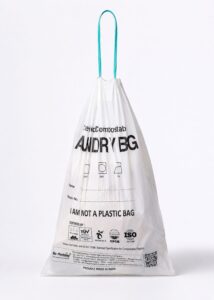 Every hotel processes an enormous volume of laundry every day. Bed linens, towels, bathrobes, uniforms, and guest clothing constantly move between rooms, housekeeping departments, and laundry facilities.
While most hotels focus on reducing water and energy consumption in their laundries, one source of waste often goes unnoticed plastic laundry bags.
Guest laundry bags are designed for convenience, but after serving their purpose, they are usually discarded. Across hundreds of rooms and thousands of guests each year, these seemingly insignificant bags quickly become a considerable source of single-use plastic waste.
Replacing conventional plastic bags with compostable laundry bags is a practical way to reduce this impact without changing existing housekeeping procedures.
Certified compostable laundry bags offer hotels a sustainable alternative while maintaining the convenience and functionality staff and guests expect. Whether used for guest laundry services, linen collection, or housekeeping operations, they support environmental initiatives without disrupting day-to-day efficiency.
For hotel guests, small details often shape their perception of a brand. Discovering that even the laundry bags are environmentally responsible reinforces the message that sustainability is embedded throughout the property not simply highlighted in marketing materials.
Sustainable Kitchens Start with Smarter Packaging
Restaurants, cafés, bakeries, banquet halls, and room service operations make hotel kitchens one of the busiest environments within the hospitality industry.
Every day, chefs prepare fresh ingredients, portion meals, organise cold storage, and ensure food safety. Throughout these processes, plastic packaging is used extensively to preserve freshness and prevent contamination.
One of the most commonly used products is cling wrap.
Although each sheet is used for only a short period, commercial kitchens consume significant quantities throughout the year. As hotels work toward reducing plastic waste, this presents another opportunity to introduce more sustainable practices.
Why Compostable Cling Wrap Makes Sense
 Food safety should never be compromised, and sustainability should complement not complicate kitchen operations.
Compostable cling wrap offers an alternative for many food preparation and storage applications while helping hotels reduce their reliance on conventional plastic films.
Typical applications include:
-
- Covering prepared ingredients
-
- Wrapping fresh fruits and vegetables
-
- Protecting buffet items before service
-
- Refrigerated food storage
-
- Catering preparation
-
- Bakery and pastry production
Introducing compostable cling wrap into commercial kitchens allows hotels to align sustainability initiatives with everyday food service operations.
More importantly, it demonstrates that environmental responsibility extends beyond guest-facing spaces and into the operational heart of the hotel.
Hotel Retail and Guest Services Also Matter
Many hotels now offer much more than accommodation.
Guests may visit:
-
- Boutique stores
-
- Gift shops
-
- Gourmet bakeries
-
- Coffee bars
-
- Delicatessens
-
- Convenience stores
-
- Spa retail outlets
Each purchase typically leaves the store in a conventional plastic carry bag.
While the bag may only be used for a few minutes, its environmental impact can last for generations.
Replacing these bags with compostable carry bags is one of the most visible sustainability improvements a hotel can make.
Unlike operational changes that remain behind the scenes, guests interact directly with carry bags. Every purchase becomes an opportunity to reinforce the hotel’s commitment to responsible business practices.
Many hotels also choose to custom print their compostable carry bags with their logo, creating packaging that reflects both their brand identity and their sustainability values.
Sustainability Creates Better Guest Experiences
Today’s travellers are paying closer attention to the environmental practices of the places they stay.
Guests increasingly notice details such as:
-
- Refillable bathroom amenities.
-
- Water conservation initiatives.
-
- Recycling stations.
-
- Energy-efficient lighting.
-
- Sustainable food sourcing.
-
- Responsible packaging choices.
These initiatives influence how guests perceive a hotel’s commitment to sustainability.
Replacing everyday plastic products with certified compostable alternatives may seem like a small operational change, but collectively these decisions create a stronger environmental story one that guests are more likely to remember and appreciate.
Hotels that consistently integrate sustainable practices throughout the guest journey often strengthen their reputation as environmentally responsible businesses.
A Practical Roadmap to Reducing Plastic Waste
For many hotel operators, transitioning to sustainable packaging can feel overwhelming. However, meaningful progress doesn’t require replacing every product at once.
A phased approach often delivers the best results.
Step 1: Review Current Plastic Usage
Conduct an audit of departments such as housekeeping, kitchens, laundry, retail outlets, and food service to identify where single-use plastics are used most frequently.
Step 2: Prioritise High-Volume Items
Focus on products that are used daily, including garbage bags, laundry bags, cling wrap, and carry bags.
Replacing high-volume items first allows hotels to achieve noticeable reductions in plastic consumption while keeping implementation manageable.
Step 3: Train Employees
Housekeeping teams, kitchen staff, and retail employees should understand how sustainable packaging fits into the hotel’s environmental objectives.
Employee engagement is essential for long-term success.
Step 4: Communicate with Guests
Guests appreciate transparency.
Simple messaging in guest rooms, restaurants, or hotel sustainability reports can explain how the property is reducing plastic waste through responsible packaging choices.
When guests understand these efforts, they are more likely to recognise and value the hotel’s environmental commitment.
The Business Case for Sustainable Packaging in Hotels
Sustainability is no longer just a corporate initiative it has become a business advantage.
Around the world, leading hotel brands are integrating environmental responsibility into their operations, not only to reduce their environmental footprint but also to strengthen guest loyalty, improve operational efficiency, and prepare for changing regulations.
For independent hotels and large hospitality groups alike, sustainable packaging is one of the simplest improvements to implement because it can be introduced gradually without disrupting existing workflows.
Making the switch to certified compostable packaging offers several long-term benefits.
Enhance Your Brand Reputation
A hotel’s reputation is shaped by every interaction guests have with the property.
When visitors notice environmentally responsible practices from compostable carry bags in the gift shop to sustainable packaging in restaurants they recognise that sustainability is more than a marketing claim. It becomes part of the guest experience.
Hotels that actively reduce single-use plastic waste often strengthen their position as responsible and forward-thinking businesses.
Meet Guest Expectations
Today’s travellers are increasingly conscious of the environmental impact of their choices.
Many guests actively seek hotels that demonstrate genuine sustainability initiatives rather than making broad environmental claims without meaningful action.
Simple operational changes can reassure environmentally conscious travellers that they have chosen a hotel aligned with their values.
Support ESG and Corporate Sustainability Goals
For hotel chains and corporate hospitality groups, Environmental, Social, and Governance (ESG) commitments have become increasingly important.
Replacing conventional plastics with certified compostable alternatives can contribute to broader sustainability strategies by reducing dependence on traditional plastic packaging and supporting responsible waste management practices.
Prepare for a Changing Regulatory Landscape
Governments across the world continue to introduce measures aimed at reducing plastic waste and encouraging more sustainable alternatives.
Hotels that begin transitioning today are better prepared to adapt to future regulations while demonstrating proactive environmental leadership.
Choosing the Right Sustainable Packaging Partner
Selecting sustainable packaging involves more than simply choosing products labelled “eco-friendly.”
Hotels should look for suppliers that offer quality, consistency, recognised certifications, and manufacturing expertise.
When evaluating a packaging partner, consider the following:
Certified Products
Choose products that meet recognised compostability standards and have appropriate certifications. Certification provides confidence that products have been independently assessed against established requirements.
Product Performance
Hospitality environments are demanding.
Garbage bags must be durable.
Laundry bags must be practical.
Cling wrap must perform reliably in commercial kitchens.
Carry bags must comfortably support everyday retail purchases.
Sustainability should never come at the expense of functionality.
Reliable Supply
Hotels operate continuously throughout the year.
Working with a manufacturer capable of maintaining consistent quality and dependable supply helps ensure uninterrupted operations.
Custom Branding
Custom-printed compostable packaging allows hotels to reinforce their brand identity while communicating their sustainability initiatives to guests.
Why Bio-Plastobag Is a Trusted Partner for Hospitality Businesses
 Creating a more sustainable hotel requires reliable products backed by manufacturing expertise.
Bio-Plastobag manufactures a comprehensive range of certified compostable packaging solutions designed to support the operational needs of hotels, resorts, serviced apartments, restaurants, and other hospitality businesses.
Its hospitality portfolio includes:
-
- Compostable Garbage Bags
-
- Compostable Laundry Bags
-
- Compostable Cling Wrap
-
- Compostable Carry Bags
-
- Custom-Printed Compostable Packaging
Each product is developed to deliver the durability and functionality expected in commercial environments while supporting responsible packaging practices.
Beyond manufacturing, Bio-Plastobag works closely with businesses to provide customised packaging solutions tailored to operational requirements, branding needs, and sustainability objectives.
For hotels looking to reduce single-use plastic waste without compromising efficiency, choosing an experienced manufacturing partner can make the transition smoother and more effective.
Frequently Asked Questions
Why is sustainable packaging important for hotels?
Sustainable packaging helps hotels reduce single-use plastic waste, strengthen their environmental initiatives, improve guest perception, and support long-term sustainability goals without compromising operational efficiency.
Which hotel departments benefit the most from compostable packaging?
Housekeeping, laundry, kitchens, restaurants, cafés, banquet services, retail outlets, and guest services can all benefit from replacing conventional plastic products with certified compostable alternatives where appropriate.
Are compostable garbage bags suitable for hotel housekeeping?
Yes. High-quality certified compostable garbage bags are designed for everyday waste collection and can support hotel sustainability initiatives while maintaining reliable performance.
Can compostable cling wrap be used in commercial kitchens?
Certified compostable cling wrap is suitable for many food preparation and storage applications, making it a practical option for hotels seeking to reduce conventional plastic use.
How can hotels begin reducing single-use plastic waste?
The most effective approach is to identify high-volume plastic products such as garbage bags, laundry bags, cling wrap, and carry bags and replace them with certified compostable alternatives as part of a phased sustainability strategy.
The hospitality industry is evolving, and sustainability is becoming an essential part of delivering exceptional guest experiences. While luxury, comfort, and service remain at the heart of every successful hotel, environmental responsibility is increasingly influencing how guests choose where to stay.
Reducing single-use plastic waste doesn’t require sweeping operational changes. Instead, meaningful progress often begins with the products hotels use every day.
By adopting sustainable packaging for hotels, properties can reduce their reliance on conventional plastics across housekeeping, laundry, kitchens, and retail operations while maintaining the high standards expected by guests.
Certified compostable garbage bags, laundry bags, cling wrap, and carry bags provide practical alternatives that support responsible waste management and contribute to broader sustainability goals.
At Bio-Plastobag, we believe that sustainable packaging should combine environmental responsibility with dependable performance. Through a wide range of certified compostable packaging solutions, we help hotels and hospitality businesses take practical steps toward reducing plastic waste while continuing to deliver outstanding guest experiences.
As the hospitality industry moves toward a more sustainable future, every thoughtful packaging choice contributes to a cleaner environment, stronger brand reputation, and a more responsible way of welcoming guests.