


We live in a world obsessed with recycling “stuff” bottles, cans, and cardboard. Yet, we systematically ignore the most valuable resource in our waste stream: the organic matter that fuels life itself. Every day, we bury millions of tons of food scraps and compostable materials in oxygen-starved landfills. This mistake creates a toxic environmental debt. When organic waste rots in a landfill, it produces methane, a greenhouse gas significantly more potent than CO2. We essentially take the building blocks of life and turn them into a chemical weapon against our own climate.
 Organic recycling fixes this broken cycle. It represents the ultimate “reset” button for the planet. Instead of treating food waste and plant-based materials as trash, organic recycling treats them as raw energy. At Bio-PlastoBag, we view every piece of compostable packaging and every food scrap as a potential nutrient for the next harvest. By reclaiming this waste, we stop feeding the landfills and start feeding the soil. This shift moves us away from a linear “death-march” of resources and toward a vibrant, circular economy where nothing truly goes to waste.
The Bio-PlastoBag Mission: Beyond the Bag
At Bio-PlastoBag, we don’t just manufacture products; we engineer the catalysts for organic recycling. We recognize that for a circular economy to work, the materials must be as reliable as the systems that process them. We apply rigorous scientific standards to our certified compostable solutions to ensure they integrate seamlessly into the organic recycling stream.
When you use a Bio-PlastoBag product, you enable a cleaner waste stream. Because our materials break down without leaving microplastics or toxic residues, they simplify the sorting process for recycling facilities. We provide the bridge between modern convenience and ancient ecological wisdom. By choosing our engineered solutions, you ensure that your waste becomes a high-value asset for farmers and gardeners rather than a permanent burden on the municipality.
What Exactly is Organic Recycling?
 Many people confuse simple rotting with organic recycling. However, true organic recycling involves a managed, scientific process that accelerates the natural decomposition of organic matter.
-
- The Input: This includes food scraps, yard trimmings, and certified compostable items like Bio-PlastoBag packaging or cutlery.
-
- The Process: Specialized facilities manage oxygen levels, moisture, and temperature to optimize microbial activity.
-
- The Output: The process yields high-quality compost or “humus,” a nutrient-dense soil amendment that restores depleted farmland.
The Two Main Methods of Organic Recycling
-
- Aerobic Composting: Microbes use oxygen to break down organic matter. This process generates heat, which kills pathogens and weed seeds.
- Anaerobic Digestion: This happens in closed tanks without oxygen. It produces biogas (for renewable energy) and digestate (a nutrient-rich fertilizer). Bio-PlastoBag materials are specifically designed to excel in aerobic environments, ensuring they disappear back into the earth.
The Science of the Soil: How It Works
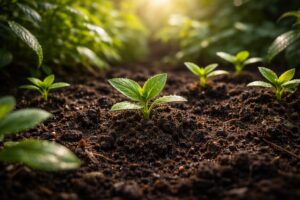 Organic recycling utilizes the power of “Biological Combustion.” While traditional recycling requires high-energy smelting or chemical processing, organic recycling relies on the metabolism of billions of microorganisms.
When a Bio-PlastoBag compostable item enters an industrial composting pile, the heat triggers hydrolysis. This chemical reaction breaks down complex plant-based polymers into simple sugars.
The resulting carbon-rich compost improves soil structure. It increases the soil’s ability to hold water, which prevents erosion and helps crops survive droughts. Therefore, organic recycling doesn’t just manage waste; it actively builds climate resilience into our food systems.
Why Organic Recycling Trumps Traditional Landfilling
| Feature | Landfilling | Organic Recycling (Bio-PlastoBag) |
| Atmospheric Impact | Produces Methane (CH_4) | Sequesters Carbon in Soil |
| Nutrient Recovery | Zero (Nutrients are Lost) | High (Restores Soil Health) |
| Space Usage | Permanent (Land is Ruined) | Temporary (Resources Cycle) |
| Economic Value | Cost Center (Tipping Fees) | Profit Center (Compost Sales) |
| Final Product | Toxic Leachate | Nutrient-Rich Fertilizer |
Common Obstacles to Organic Recycling
Obstacle 1: Contamination
The biggest enemy of organic recycling is “look-alike” plastic. When traditional plastic forks or bags enter a compost pile, they ruin the entire batch. This is why the Bio-PlastoBag branding is so vital; our clear certification marks tell waste managers exactly where the material belongs.
Obstacle 2: Lack of Infrastructure
Many cities still lack curbside organic collection. However, as global legislation targets methane emissions, the infrastructure for organic recycling is expanding rapidly. Bio-PlastoBag supports this growth by providing the compostable liners and bags that make food scrap collection hygienic and easy for the average household.
Why Your Business Needs an Organic Recycling Strategy
If you run a food-service business or a manufacturing plant, an organic recycling strategy isn’t just “nice to have” it’s a competitive necessity.
-
- Drastic Waste Reduction: Organic matter often makes up 30% to 50% of a business’s waste stream. Recycling this portion significantly lowers your trash hauling costs.
- Regulatory Compliance: Governments across India and the globe are mandating the diversion of organic waste from landfills. Partnering with Bio-PlastoBag ensures you stay ahead of these mandates.
- Brand Authority: Modern consumers reward transparency. When you show your customers that your packaging returns to the earth through organic recycling, you build a level of trust that traditional plastic brands can never achieve.
Conclusion: Closing the Loop
Organic recycling offers the most elegant solution to our global waste crisis. It doesn’t require complex machinery or toxic chemicals; it simply requires us to stop fighting nature and start working with it. Every time you divert a Bio-PlastoBag product into an organic recycling bin, you choose life over stagnation.
We must stop viewing our “trash” as a problem to be hidden and start viewing it as a resource to be harvested. The future of the planet isn’t found in a landfill; it’s found in the rich, black soil created by our collective commitment to the circular economy.
References & Citations
-
- EPA (2024). Reducing the Impact of Wasted Food by Feeding the Soil and Composting.
- World Bank (2022). What a Waste 2.0: A Global Snapshot of Solid Waste Management to 2050.
- Bio-PlastoBag Research (2026). Optimizing Polymer Hydrolysis in Industrial Composting Environments.
- IPCC (2023). Climate Change 2023: Synthesis Report on Methane Emissions from Landfills.
- ASTM D6400. Standard Specification for Labeling of Plastics Designed to be Aerobically Composted.
Ready to Restore the Earth?
Don’t let your business contribute to the methane crisis. Take the first step toward a zero-waste future by switching to materials designed for the organic cycle. Whether you need compostable bags, liners, or custom packaging, Bio-PlastoBag provides the engineering excellence you need